Product Launch PR in Nigeria: A Practical Guide
A few years ago, a friend of mine spent almost everything she had developing a skincare line. Beautiful packaging. A solid formula. A product that genuinely delivered on its promise.
She launched with one Instagram post and a link in her bio.
Three weeks later? Twelve sales.
Now, imagine launching a product that gets people talking before it even hits the market. Customers are asking questions, industry publications are covering the story, and potential buyers already know what makes the product worth trying.
That is the difference a well-planned launch campaign can make.
Product launch PR in Nigeria is about more than announcing a new product. It is about building awareness, communicating value and giving the right audience a reason to pay attention.
Whether you are introducing a skincare line in Lagos, a fintech product in Abuja or a new consumer brand in Port Harcourt, your launch needs more than a single social media announcement.
You need a plan.
In this guide, we will explore how product launch PR works, how to prepare for launch day, when to consider a launch event and what to know about campaign costs.
What Is Product Launch PR?
Product launch public relations (PR) is the strategic use of media relations, storytelling, digital communications and relevant partnerships to introduce a product to its intended audience.
The goal is to make the product visible, help people understand its value and build credibility around the brand.
Depending on your objectives, a product launch PR campaign may include:
-
Press release writing and distribution.
-
Media pitching and interview opportunities.
-
Founder stories and expert commentary.
-
Influencer and creator partnerships.
-
Pre-launch announcements and teaser campaigns.
-
Launch events and media engagement.
-
Post-launch coverage and audience follow-up.
Not every launch needs all these activities. The right mix depends on your product, audience, budget and business objectives.
Think of PR as an amplifier. Your product is the music; PR helps the right people hear it.
Why Product Launch PR Matters in Nigeria
Launching a product means competing for attention. Your potential customers are already seeing advertisements, influencer recommendations, social media posts and messages from other brands.
A single announcement may not be enough to communicate why your product deserves their attention.
A coordinated PR campaign gives you more opportunities to tell that story.
For example, a fintech company introducing a new payment solution could publish an announcement, pitch relevant business and technology journalists, offer its founder for interviews and create educational content explaining the problem the product solves.
A beauty brand might focus on product demonstrations, relevant beauty creators, founder interviews and launch coverage that introduces its story to a wider audience.
The approach changes, but the principle stays the same: connect your product to a story your intended audience will find relevant.
Product launch PR can help you:
-
Build awareness beyond your existing followers.
-
Explain what makes your product different.
-
Give journalists, creators and potential customers useful information to share.
-
Establish credibility through relevant third-party coverage.
-
Support other marketing activities, including advertising, email and social media.
PR is not a guarantee of sales. Its value depends on the strength of the story, the relevance of the audience, the quality of execution and what happens after people discover the product.
How to Launch a Product in Nigeria With PR
A successful launch should be planned as a campaign, not treated as a single day on the calendar.
Here are four stages to consider.
Phase 1: Build Anticipation Before Launch Day
Before announcing your product, establish what you want people to know and why they should care.
Start by answering three questions:
-
Who is the product for?
-
What problem does it solve or what need does it meet?
-
What makes it worth choosing over the alternatives?
Once you have clear answers, develop your launch message.
Your pre-launch activities might include behind-the-scenes content, product teasers, an early-access list, demonstrations or previews for selected creators and journalists.
For example, a Nigerian skincare brand could introduce the founder's motivation for creating the product, explain its intended benefits and invite interested customers to join a launch notification list.
The objective is not to create noise for its own sake. It is to help potential customers understand what is coming and why it may matter to them.
Practical tip: Prepare your core messaging, product images, press materials, frequently asked questions and launch-day content before the campaign goes live.
Phase 2: Secure Relevant Media Coverage
Media coverage can introduce your product to audiences who may not already follow your brand.
However, sending the same press release to every publication is rarely the strongest starting point.
Identify the publications, journalists and media platforms that cover your industry and reach the people you want to attract.
A technology launch may be relevant to business and technology publications. A fashion collection may be better suited to fashion, lifestyle and culture platforms.
Develop a clear media angle. Rather than simply announcing that your company has launched a product, explain what makes the announcement worth covering.
Your story might focus on a problem the product addresses, an interesting founder journey, a new approach to an existing challenge or a meaningful development in your industry.
Useful PR materials can include:
-
A concise, factual press release.
-
High-quality product images.
-
Founder and company background information.
-
Product features, pricing and availability.
-
Relevant supporting evidence or customer insights.
-
A contact person who can respond to media enquiries.
Remember that sending a press release does not guarantee publication. Earned media coverage depends on editorial interest, timing, relevance and the publication's decisions.
Phase 3: Coordinate Your Launch-Day Communications
Launch day is when your planned communications come together.
Your website or product page, social media announcements, email communications, media outreach and creator partnerships should tell a consistent story.
Make it easy for interested people to take the next step.
Depending on your business, that could mean purchasing the product, downloading an app, booking a demonstration, registering for early access or contacting your sales team.
Check the practical details before launch:
-
Is the product available when you say it is?
-
Are prices and purchasing instructions accurate?
-
Does the website or landing page work properly on mobile?
-
Can your team answer common questions?
-
Are your images, descriptions and announcements consistent?
-
Is someone available to respond to enquiries and feedback?
A strong announcement can attract attention. A confusing purchase process can waste it.
Phase 4: Keep the Conversation Going After Launch
One of the most common mistakes businesses make is treating launch day as the finish line.
In reality, the weeks following a launch can provide valuable opportunities to build on the initial attention.
Share relevant media coverage, answer customer questions, publish demonstrations and explain product benefits through useful content.
Where appropriate, gather genuine customer feedback and use it to improve your messaging.
You can also pitch follow-up stories, such as the problem your product is addressing, lessons from the founder's journey or insights relevant to your industry.
The aim is to maintain momentum without repeating the same announcement indefinitely.
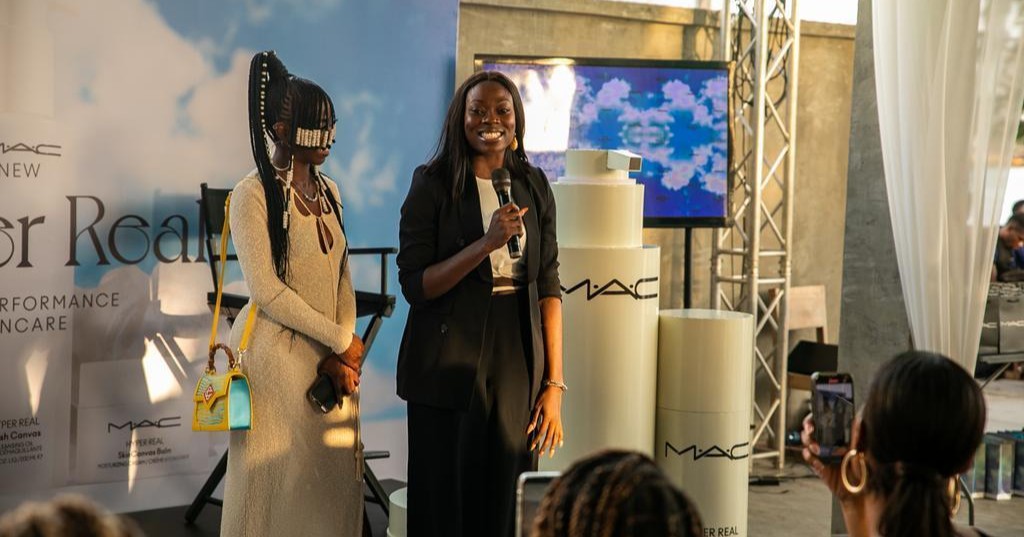
Do You Need a Product Launch Event in Nigeria?
Not every product launch needs a physical event.
A launch event may be useful when the product benefits from demonstrations, personal experiences, networking or direct interaction with the audience.
Fashion, beauty, hospitality and some consumer product launches may benefit from an experience that gives attendees something meaningful to see, try or discuss.
A technology company, on the other hand, might achieve its objectives through an online demonstration, a targeted media briefing or a virtual launch.
Before booking a venue, ask yourself:
-
Does an event support a clear business objective?
-
Will the right customers, journalists, partners or creators attend?
-
Can we demonstrate the product meaningfully?
-
What will happen after the event?
-
Could a digital campaign achieve the same objective more efficiently?
If you choose to hold an event, plan media invitations, product demonstrations, photography, spokesperson availability and post-event follow-up in advance.
The objective is not simply to host a memorable occasion. It is to create an experience that supports the wider launch strategy.
How Much Does Product Launch PR Cost in Nigeria?
Product launch PR costs vary depending on the scope of work, campaign duration, media targets, creator partnerships and production requirements.
A focused campaign built around press materials and targeted outreach requires a different budget from a multi-channel launch involving media engagement, influencers, an event and sustained follow-up.
Before publishing specific price ranges, confirm that the figures reflect your intended service scope and current market conditions.
When comparing PR proposals, ask what is included.
| Cost consideration | What to clarify |
|---|---|
| Strategy and planning | Research, messaging, campaign planning and coordination |
| Press materials | Press release writing, editing and supporting assets |
| Media relations | Outreach, follow-up and reporting on coverage secured |
| Influencer partnerships | Creator fees, product seeding and agreed deliverables |
| Launch event | Venue, production, photography and event coordination |
| Paid media | Sponsored placements and advertising budgets |
| Reporting | Coverage, reach where available, referrals and other agreed metrics |
Also clarify whether third-party fees, taxes, production expenses and paid media budgets are included in the proposal.
A higher budget does not automatically produce a better outcome. What matters is whether the strategy, execution and resources match the campaign objectives.
Our recommendation: Establish your goals and priorities first, then request a proposal that explains the deliverables, timeline, costs and reporting process.
How to Measure the Success of a Product Launch PR Campaign
A launch campaign should have clear objectives before execution begins.
If your priority is awareness, track relevant media mentions, referral traffic, audience reach where reliable data is available and growth in branded searches.
If your goal is product consideration, monitor product-page visits, enquiries, demonstration requests, waitlist registrations or other meaningful actions.
If you want to support sales, work with your marketing and sales teams to track conversions and identify which channels are contributing to them.
Useful metrics include:
-
Relevant media coverage secured.
-
Referral visits to your website or product page.
-
Enquiries and qualified leads generated.
-
Waitlist registrations or product trials.
-
Social media engagement with launch content.
-
Conversions attributed to measurable campaign sources.
Use tracking links where appropriate and review the results after launch. This will help you understand what worked, where interest came from and what to improve in future campaigns.
Frequently Asked Questions About Product Launch PR
When should I start planning product launch PR?
Start as early as your product readiness and business timeline allow. A campaign involving media outreach, creator partnerships or an event needs time for preparation and coordination. Agree on a realistic timeline with your PR team rather than leaving everything until launch week.
Is product launch PR only for large companies?
No. Startups and small businesses can also benefit from PR. The campaign should be proportionate to the product, audience, budget and objectives. A focused media outreach campaign may be more appropriate than a large event for a business introducing its first product.
Does a press release guarantee media coverage?
No. A press release communicates the announcement, but journalists and editors decide whether a story is relevant to their audiences. Strong targeting, a clear story angle and timely follow-up can improve the quality of your outreach without guaranteeing publication.
Can I launch a product using digital PR without an event?
Yes. Depending on your objectives, digital communications, targeted media outreach, online demonstrations, email and relevant creator partnerships may be sufficient. Choose the channels that help you reach your intended audience effectively.
How do I choose a PR agency for my product launch?
Look for an agency that understands your audience, can explain its proposed strategy and defines deliverables clearly. Ask about media outreach, campaign coordination, reporting, costs and how success will be evaluated. Make sure the proposed plan fits your product and launch timeline.
Planning a Product Launch? Let Beta Digitals Help
A great product deserves a launch strategy that goes beyond a single announcement.
At Beta Digitals, we help brands communicate their stories, strengthen visibility and connect with the audiences that matter to their business.
If you are preparing to launch a product in Nigeria, let's discuss your objectives, timeline, and budget, and develop a PR approach suited to your needs.
Ready to plan your product launch? Contact Beta Digitals to discuss your PR strategy.